WIC Program Benefits Food Packages Eligibility and How to Apply Locally
Everything about wic program benefits: income limits, required documents, application process, and how to maximize your benefit amount.
Anúncios
How the WIC Program Supports Nutritional Health
The Special Supplemental Nutrition Program for Women, Infants, and Children provides targeted food packages to pregnant women, new mothers, and children up to age five. WIC serves approximately 6.2 million participants each month across all 50 states, territories, and tribal organizations. The program focuses specifically on nutrients that research identifies as lacking in the diets of the target population.
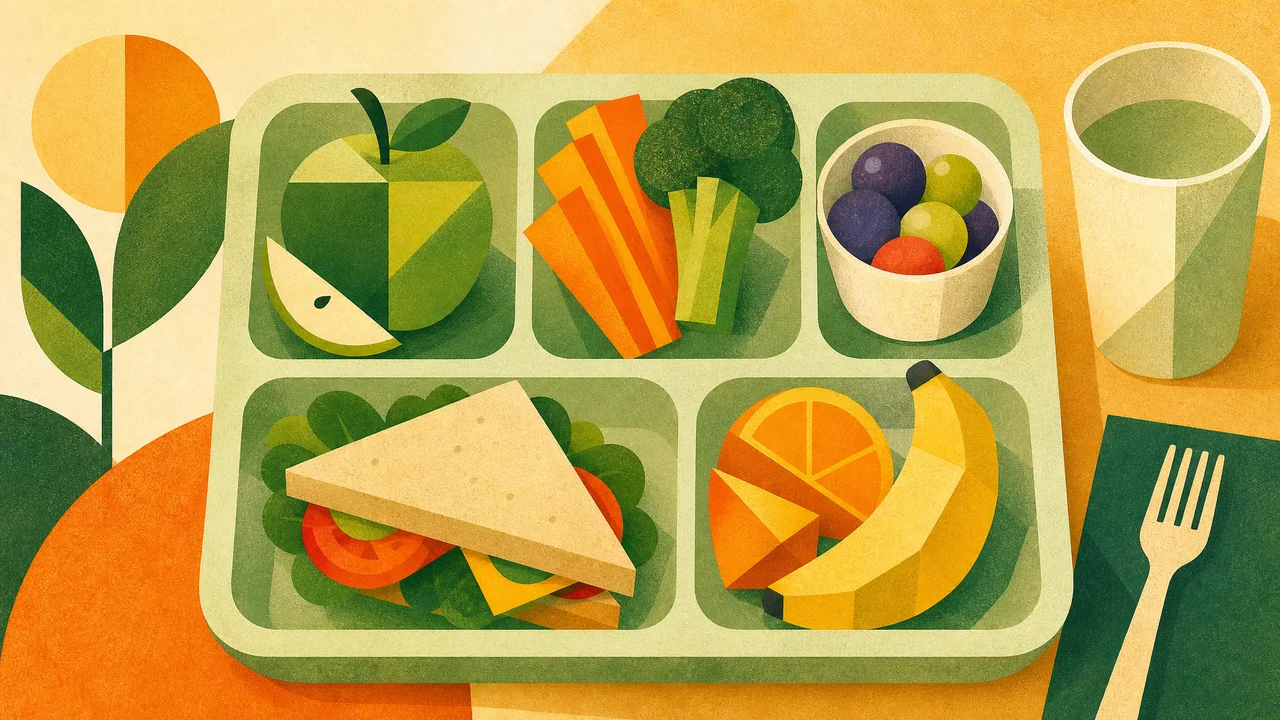
WIC food packages include items like milk, eggs, whole grains, fruits, vegetables, peanut butter, and iron-fortified cereal. Infant packages include formula and baby food for participants who are not exclusively breastfeeding. The specific items and quantities are tailored to each participant category based on USDA nutritional guidelines.
Anúncios
What Income Limits Apply to WIC Eligibility
WIC income eligibility is set at 185 percent of the federal poverty level. For a family of four in 2026, this means gross annual income below approximately $55,500. Applicants already enrolled in Medicaid, SNAP, or Temporary Assistance for Needy Families are automatically income-eligible without further documentation.
Income is measured at the household level and includes wages, salaries, commissions, self-employment income, social security, and most other cash sources. Verification requires recent pay stubs, a tax return, or a letter from your employer. Some clinics accept self-declaration of income when documentation is temporarily unavailable.
Anúncios
Who Qualifies as a Participant in the WIC Program
Pregnant women qualify from the date of pregnancy confirmation through six weeks postpartum. Breastfeeding mothers receive benefits for up to one year after delivery. Non-breastfeeding postpartum women qualify for six months after delivery. Infants and children from birth through their fifth birthday are eligible if they meet income and residency requirements.
A nutritional risk assessment conducted at the WIC clinic determines whether you meet the health criteria. Nutritional risks include anemia, underweight status, history of pregnancy complications, and poor dietary patterns. A healthcare professional at the WIC office performs this brief assessment during your certification appointment.
How Do You Apply for WIC Benefits Locally
Contact your state or local WIC agency to schedule a certification appointment. You can find your nearest WIC office through the USDA Food and Nutrition Service website or by calling your state health department. Most offices accept walk-in appointments but scheduling ahead reduces wait times.
Bring proof of identity, residency, income, and a referral or medical record if available. The appointment takes approximately 30 to 45 minutes and includes height and weight measurements plus a blood test for iron levels. If eligible you receive your first food benefits the same day in most states.
Understanding WIC Food Packages by Participant Category
Fully breastfeeding mothers receive the largest food package because they have the highest caloric and nutritional needs. Their package includes extra fruits, vegetables, whole grains, and canned fish that non-breastfeeding mothers do not receive. This incentive structure supports the program's goal of promoting breastfeeding for infant health.
Infant packages shift at around six months from formula-only to a combination of formula and baby food including fruits, vegetables, and infant cereal. Children ages one through four receive milk, juice, eggs, whole grains, peanut butter or dried beans, and a fruits and vegetables benefit. Package contents update periodically based on nutritional science reviews.
Electronic Benefits and How WIC Cards Work
Most states have transitioned from paper vouchers to electronic benefit transfer cards that work like debit cards at authorized retailers. Your WIC EBT card loads with your monthly food benefits and scans at checkout for approved items only. The register automatically identifies WIC-eligible products and applies the benefit to qualifying items in your cart.
Check your card balance online, through a mobile app, or by calling the number on the back of the card. Benefits that are not used within the monthly cycle expire and do not roll over. Plan your shopping trips to use all allocated benefits before the end of each benefit period.
What Stores Accept WIC Benefits in Your Area
Authorized WIC vendors include major grocery chains, smaller independent stores, and some pharmacies that carry WIC-approved products. Your WIC clinic provides a list of authorized vendors in your area. Many states also publish searchable vendor maps on their WIC program websites.
Not all stores carry every WIC-approved item, especially smaller retailers. Calling ahead to confirm availability of specific products saves time. Some farmers markets also accept WIC benefits during growing season, giving participants access to fresh locally grown produce.
How WIC Nutrition Education Helps Families Make Healthier Choices
Each WIC certification appointment includes nutrition education tailored to the participant's age and health status. Topics cover breastfeeding support, infant feeding practices, healthy meal planning, and reading nutrition labels. Education can be delivered one-on-one, in group classes, or through online modules depending on your WIC clinic.
WIC nutritionists can create individualized care plans for participants with specific dietary concerns like gestational diabetes or food allergies. They also provide referrals to healthcare providers, food banks, and other social services. This holistic approach addresses multiple factors that influence family nutrition beyond just providing food.
Breastfeeding Support Services Through WIC
WIC operates the largest breastfeeding support program in the country with trained peer counselors and lactation consultants at every clinic. Peer counselors are mothers who successfully breastfed their own children and provide phone and in-person guidance. Certified lactation consultants handle complex breastfeeding challenges and medical referrals.
WIC loans breast pumps to participants who need them for returning to work or school. Electric hospital-grade pumps are available for mothers with medical complications while manual and personal electric pumps cover standard situations. The breastfeeding support line is available outside regular clinic hours in many states.
What Happens During Your WIC Recertification Visit
Recertification occurs every six months for most participants and every twelve months for children between ages one and five. You receive a reminder notice about 30 days before your certification expires. Bring updated income verification and identification to your recertification appointment.
The visit includes updated measurements and a brief nutritional assessment to ensure your food package matches current needs. Benefits continue without interruption if you recertify on time. Late recertification may cause a gap in benefits that cannot be recovered retroactively.
How WIC Coordinates With Other Assistance Programs
WIC participation does not reduce your eligibility for SNAP, Medicaid, or other federal assistance programs. In fact, WIC offices routinely screen participants for other benefits and provide application assistance. This cross-referral approach helps families access the full range of support available to them.
Children enrolled in WIC are often connected to Head Start, Early Intervention services, and immunization programs through clinic referrals. WIC staff coordinate with pediatricians and community health centers to track developmental milestones. This network of services supports child development from multiple angles simultaneously.
- Pregnant women: enhanced food package through delivery plus six weeks postpartum
- Breastfeeding mothers: largest food package including extra produce and protein sources
- Infants under 12 months: formula and age-appropriate baby food after six months
- Children ages 1-4: milk, eggs, grains, produce, and protein-rich staples
- Postpartum non-breastfeeding: six-month standard food package